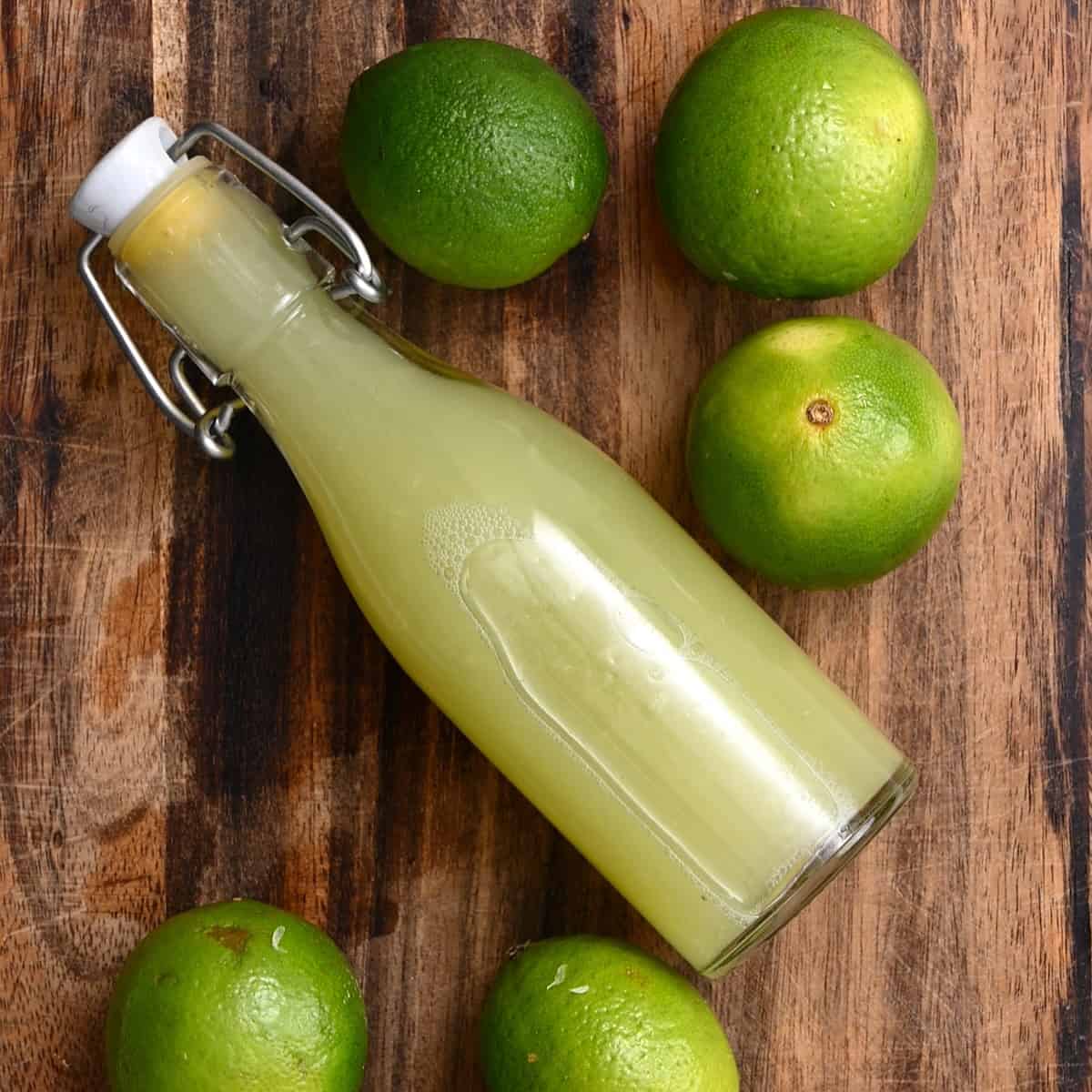
Get More Juice From Limes: Pro Tips & Prep Secrets for Every Drop
Fresh lime juice is a culinary game-changer. Whether you're whipping up a vibrant marinade, a tangy key lime pie, a refreshing limeade, or simply adding a zesty finish to your guacamole or pad Thai, the bright, aromatic essence of freshly squeezed lime is irreplaceable. But how do you ensure you're getting every last drop of that precious liquid? This comprehensive guide will equip you with expert tips and prep secrets, revealing exactly how to juice a lime efficiently, no matter your kitchen tools.The Foundation: Choosing and Preparing Your Limes for Maximum Yield
Before you even think about squeezing, the secret to maximizing juice begins with your selection and initial preparation of the limes themselves. These crucial steps can significantly increase the juice yield from each fruit.Selecting the Perfect Limes
- Unwaxed & Organic is Best: Whenever possible, opt for unwaxed, organic limes. This not only ensures you avoid unwanted chemicals but also means you can easily use the zest, which is packed with aromatic oils and flavor, without extra cleaning steps.
- Waxed Lime Prep: If you're using waxed limes, don't despair! You can remove the wax by immersing the fruit in a bowl of hot water for a few seconds, then scrubbing gently with a vegetable brush.
- Room Temperature is Key: Always work with limes that are at room temperature. Cold limes are firm and their membranes are rigid, making them harder to juice. Letting them warm up on the counter for 30 minutes or even a quick microwave burst will soften them considerably.
- Heavy is Best: When choosing limes, pick ones that feel heavy for their size. This indicates a higher water content, meaning more juice.
Pre-Juicing Techniques to Unlock More Liquid
These simple tricks are favored by chefs and bartenders for a reason – they effectively break down the internal structure of the lime, making juice extraction far easier.- The Countertop Roll: Place the lime on a hard surface, like your kitchen counter or cutting board. Apply firm, even pressure with the palm of your hand and roll the lime back and forth several times. This action helps to rupture the tiny juice sacs and loosen the internal membranes, making the juice flow more freely.
- The Microwave Warm-Up: A quick blast in the microwave can work wonders. Heat a whole lime for 15-25 seconds (for an average-sized lime, adjust for larger or smaller ones). The warmth softens the fruit and further loosens its internal structure, leading to a much easier and more abundant squeeze. Be cautious when handling immediately after microwaving, as it might be hot.
- Zest Before You Juice: This is a golden rule! If your recipe calls for zest, always remove it before you cut and juice the lime. It's much easier to zest a whole, firm lime than a squishy, cut half. Plus, it prevents any potential mess from spraying juice.
- Slice Lengthwise for Some Methods: While most juicing methods recommend slicing limes crosswise, some experts suggest slicing them lengthwise into quarters can expose more of the juicy flesh and make it easier to extract juice, especially when using a fork or spoon. Experiment to see what works best for your chosen method.
Unlocking the Juiciest Secrets: Essential Tools and Techniques
Now that your limes are prepped for prime juicing, let's explore the various tools and techniques you can use to extract every precious drop. Whether you're a home cook with minimal equipment or a culinary enthusiast with an arsenal of gadgets, there’s a method for you.The Power Players: Electric Citrus Juicers
For those needing large quantities of fresh lime juice – perhaps for a big batch of limeade, margaritas for a crowd, or a substantial canning project – an electric citrus juicer is an invaluable investment. These "reamer" style machines automate much of the process, making quick work of even dozens of limes.
- Preparation: Halve your pre-rolled and warmed limes.
- Juicing: Simply press each lime half down onto the spinning reamer. The machine's motor does all the heavy lifting, quickly extracting the juice.
- Benefits: Most electric juicers come with built-in strainers, efficiently separating pulp and seeds from your pure juice. They are incredibly efficient for volume juicing and require minimal effort.
The Manual Marvels: Reamers and Squeezers
Manual juicers are versatile, affordable, and perfect for everyday use, whether you need a single lime for a cocktail or several for a marinade. They come in various forms, each with its own advantages.
Handheld Citrus Reamers (Wooden or Metal)
These simple, cone-shaped tools are a classic for a reason.
- Prep & Position: Microwave and roll your lime. Cut it in half. Hold one lime half firmly in the palm of one hand, cut-side up.
- Ream & Twist: With your other hand, insert the pointed end of the reamer into the center of the lime half. Twist and press the reamer into the flesh, rotating the lime to work the reamer around its internal structure.
- Collect & Strain: Juice will stream out. Be sure to hold your hand over a bowl or cup. For a perfectly pulp-free result, consider using a fine-mesh sieve over your collection vessel.
Hinge-Based Citrus Squeezers (Handheld Presses)
These devices resemble garlic presses and are highly effective for extracting juice with minimal mess.
- Prep & Insert: Take your pre-rolled and warmed lime half. Place it cut-side down into the bowl of the juicer (some models specify cut-side up, so check instructions).
- Squeeze: Firmly press the handles together. The design leverage will squeeze the lime, forcing juice through holes in the bottom and catching seeds and pulp.
- Collect: The juice will collect in a container placed beneath.
Tabletop Manual Juicers
These often combine a reamer with a collection bowl and a built-in strainer, offering a slightly more integrated experience than a standalone reamer.
- Prep & Place: Halve your lime. Place a lime half, cut-side down, over the reaming cone on the juicer.
- Twist & Press: Twist the lime back and forth while applying downward pressure. The juice flows directly into the collection bowl below, often filtered by a sieve.
Ingenious Manual Methods: Juicing Without a Dedicated Tool
Don't have a juicer? No problem! You can still extract plenty of juice using common kitchen items. These techniques are perfect when you need just a small amount or are in a pinch. For a deeper dive into these methods, explore our article on How to Juice Limes Without a Juicer: Simple Manual Methods.
- The Fork or Spoon Method:
- Halve your pre-rolled and microwaved lime.
- Hold one half over a bowl.
- Insert a fork or the handle of a spoon into the center of the lime. Twist and rotate the utensil while squeezing the lime firmly with your hand. The fork tines or spoon edge will help break up the pulp and release more juice.
- The Tongs Method:
- Halve your lime.
- Place a lime half (cut side out) between the prongs of a pair of kitchen tongs.
- Squeeze the tongs firmly over a bowl. The pressure will act like a manual press, forcing out the juice.
- The "Hand Squeeze" Method (with leverage):
- After rolling and microwaving, cut the lime into quarters lengthwise.
- Take one quarter and hold it firmly in your hand. Squeeze as hard as you can over a bowl, twisting slightly as you go. You can also use the edge of a sturdy glass or bowl to press down on the cut side of the lime to get more juice out.
No matter which method you choose, remember that the goal is to rupture as many juice sacs as possible. For more insights on maximizing your yield with various tools, refer to Mastering Lime Juicing: Top Techniques for Every Drop.
Beyond Juicing: Smart Storage and Usage Tips
Once you've mastered how to juice a lime and collected your golden liquid, knowing how to store it and use it wisely ensures none of that precious flavor goes to waste.Storing Fresh Lime Juice
- Refrigeration: Fresh lime juice can be stored in an airtight container in the refrigerator for 3-4 days. While it won't spoil quickly, its flavor and vitamin C content will start to degrade over time.
- Freezing for Longevity: For longer storage, freeze lime juice! Pour it into ice cube trays and once frozen, transfer the cubes to a freezer-safe bag or container. Frozen lime juice cubes can last for several months and are perfect for adding a burst of flavor to smoothies, drinks, or recipes as needed.
Maximizing Your Limes: Don't Waste a Drop (or a Peel!)
- Zest it All: As mentioned, zest before juicing. Store leftover zest in a small airtight container in the fridge for a few days, or freeze it for months. It's fantastic in baking, dressings, or as a garnish.
- Used Halves: Don't toss those spent lime halves immediately!
- Cleaning: Rub them on cutting boards to deodorize, especially after cutting onions or garlic.
- Garbage Disposal Refresh: Toss them into your garbage disposal for a natural cleaning and refreshing boost.
- Infused Water: Add them to a pitcher of water for a subtle, refreshing flavor.
The difference fresh lime juice makes in your cooking and drinks is undeniable. Its bright acidity and vibrant aroma elevate dishes in a way bottled juice simply cannot. By understanding the simple science behind juice extraction and employing these practical tips, you can confidently tackle any recipe that calls for this indispensable ingredient, ensuring you always get the most juice from your limes.
