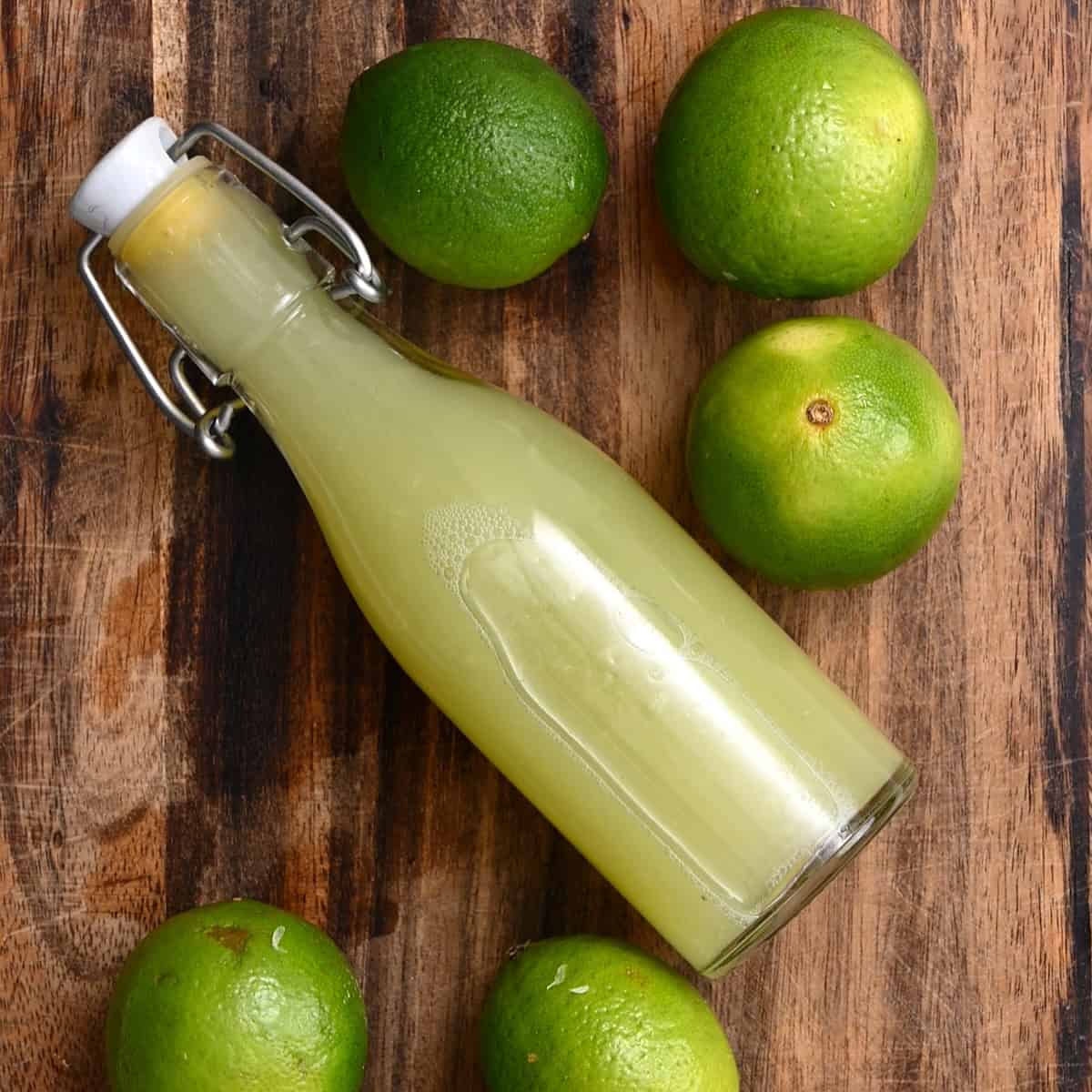
Fresh lime juice is an indispensable ingredient, capable of transforming dishes from vibrant marinades and zesty guacamole to refreshing limeades and intricate cocktails. Its bright, acidic notes elevate flavors and add a crucial layer of complexity. While simply slicing a lime and squeezing might seem straightforward, mastering the art of lime juicing means unlocking every precious drop of its aromatic liquid. This comprehensive guide will walk you through top techniques, ensuring you get the most out of every lime, just like professional chefs and bartenders.
Essential Prep for Optimal Lime Juice Extraction
Before you even consider which tool to use, the preparation of your limes can significantly impact the amount of juice you yield. These foundational steps are crucial for maximizing your efforts.
Choosing and Preparing Your Limes
- Unwaxed Organic Limes: Whenever possible, opt for unwaxed, organic limes. This choice means you can confidently use the zest, which is packed with aromatic oils, without worrying about pesticides or artificial coatings. Zesting before juicing is always recommended, as it's far easier to zest a firm, whole lime than a squished, cut half.
- Dealing with Waxed Limes: If organic isn't an option, most conventional limes are coated with a food-grade wax to prolong shelf life. To remove this, place the limes in a large bowl and pour hot (not boiling) water over them for several seconds. Use a vegetable brush to scrub the fruit thoroughly, then rinse well.
- Room Temperature is Key: Always work with limes that are at room temperature. Cold limes are rigid and yield less juice because their internal membranes are taut. Allowing them to warm up softens the fruit, making extraction significantly easier.
Pre-Juicing Techniques for Maximum Yield
These simple tricks can dramatically increase your juice output, no matter which juicing method you choose. For even more detailed insights into boosting your lime juice yield, check out our guide on Get More Juice From Limes: Pro Tips & Prep Secrets.
- The Countertop Roll: Place the lime on a clean countertop and, applying firm but gentle pressure with the palm of your hand, roll it back and forth for about 10-15 seconds. This action helps to break down the internal membranes and release more juice.
- The Microwave Boost: For an extra edge, microwave whole limes for 20-25 seconds (for an average-sized lime). The gentle heat further loosens the membranes, making the fruit softer and more compliant for juicing. Be cautious, as they will be hot to the touch afterward.
- Slice Lengthwise, Not Crosswise: Counter-intuitive as it may seem, slicing limes lengthwise (from stem to blossom end) instead of crosswise can expose more of the juice-filled membranes, leading to a higher yield, particularly with manual squeezing methods.
Electric Juicers: Powering Through Piles of Limes
When you have a significant quantity of limes to juice – perhaps for a large batch of limeade, preserving juice, or preparing for a big event – an electric citrus juicer is an invaluable tool. These appliances make the process quick, efficient, and largely effortless.
- How it Works: Electric juicers typically feature a motorized reamer cone. After cutting your prepped limes in half, you simply press each half down onto the spinning reamer. The machine does all the work, extracting the juice with minimal physical effort.
- Benefits:
- High Volume: Ideal for processing large quantities of fruit quickly.
- Effortless: Requires very little physical exertion.
- Built-in Filtration: Most electric models come with an integrated filter system, separating pulp and seeds from the fresh juice automatically.
- Consistent Yield: Delivers a consistent and high yield of juice every time.
- Technique: Slice your prepped limes in half. Place a lime half firmly onto the spinning reamer. Allow the machine to extract the juice completely, usually for a few seconds per half. Most models will collect the juice in a container below.
Manual Reamers and Squeezers: Precision and Control
For everyday juicing, smaller batches, or when you prefer a more hands-on approach, manual citrus juicers are fantastic. They offer precision and control and come in several popular designs:
Handheld Metal or Wooden Reamers
These simple, cone-shaped tools are a classic for a reason. They're affordable, require no power, and are easy to clean.
- Technique: Hold a prepped lime half in the palm of one hand, cut-side facing outward. With your other hand, insert the tip of the reamer into the center of the lime half. Twist the reamer back and forth, pressing firmly to extract the juice. Do this over a bowl, preferably with a fine-mesh sieve set over it to catch seeds and pulp. Continue twisting and pressing until the lime feels dry and limp.
- Best For: Small quantities, quick single-use needs, adding a splash of fresh juice directly to a dish or drink.
Hinge-Based Citrus Squeezers
Often made of metal or sturdy plastic, these squeezers are designed to leverage your hand strength for maximum juice extraction.
- Technique: Place a prepped lime half cut-side down into the designated cup of the squeezer. Firmly press the handles together, mimicking a nutcracker motion. The design inverts the lime half, pressing it against the internal ridges to squeeze out the juice through small holes into your container below.
- Benefits: Highly efficient, excellent at extracting juice with minimal splatter, and effective at catching seeds.
- Best For: Medium batches, bar use, and when you want to avoid getting juice on your hands.
Tabletop Manual Juicers
These devices often consist of a reaming cone over a collection bowl, sometimes with a lever mechanism for added pressure.
- Technique: Similar to electric juicers, slice your lime in half and place it cut-side down over the reaming cone. Twist and press firmly, or use the lever mechanism, to extract the juice into the integrated container. These usually have a built-in strainer.
- Best For: Consistent home use, ease of clean-up, and slightly larger batches than handheld reamers.
Juicing Limes Without a Juicer: Ingenious Manual Methods
What if you don't have a dedicated juicer on hand? Don't fret! With a few common kitchen items and a bit of ingenuity, you can still extract plenty of fresh lime juice. These methods are perfect for spontaneous needs or minimalist kitchens. For a deeper dive into these resourceful techniques, explore our dedicated article on How to Juice Limes Without a Juicer: Simple Manual Methods.
The Fork or Spoon Method
This method leverages a common utensil to mimic the action of a reamer.
- Technique: After rolling and microwaving your lime, cut it in half. Hold one half over a bowl (with a sieve if you want to catch pulp/seeds). Insert the tines of a fork or the bowl of a spoon into the center of the cut lime. Twist and rotate the utensil vigorously, pressing against the flesh of the lime to break up the membranes and release the juice. Continue until no more juice comes out.
- Tips: For a fork, use the tines to scrape the pulp. For a spoon, press and scoop. Be mindful of splashes!
The Skewer or Chopstick Method
This is a particularly clever trick for extracting juice from a whole lime without cutting it in half, which can be useful for small amounts or decorative purposes.
- Technique: Roll and microwave your whole lime. Take a sturdy wooden or metal skewer (or a chopstick) and pierce one end of the lime, pushing it through to create a hole into the juicy center. Once the hole is made, vigorously squeeze the lime over a bowl. The juice will stream out of the hole, leaving most of the seeds and pulp inside.
- Benefits: Less messy if done carefully, great for getting a small squirt of juice without needing to cut the lime in half.
The Simple Hand Squeeze
The most basic method, but with proper preparation, it can still yield a surprising amount of juice.
- Technique: After thoroughly rolling and microwaving your lime, cut it in half. Hold one half firmly in your hand over a bowl, applying strong, consistent pressure to squeeze out the juice. You can also try twisting the lime as you squeeze to help dislodge more juice.
- Tips: Using kitchen tongs can provide extra leverage and protect your hands, especially if you have sensitive skin or a weaker grip. Place the lime half inside the tongs and squeeze.
Maximizing Your Yield: Beyond the Basics
No matter your chosen technique, a few extra considerations can help ensure you never waste a drop of that precious liquid:
- Don't Be Afraid to Press Hard: Especially with manual methods, don't be shy about applying firm pressure. The goal is to squeeze every last bit of juice from the membranes.
- Consider the "Double Squeeze": After juicing a lime half with a manual method, rotate it 180 degrees and squeeze again. You might be surprised at how much more juice comes out.
- Strain for Clarity: Always strain your fresh lime juice through a fine-mesh sieve, even if your juicer has a filter. This removes any rogue seeds and unwanted pulp, ensuring a smooth, clean juice perfect for cocktails or delicate recipes.
- Storage Solutions: Fresh lime juice is best used immediately. However, if you have excess, it can be stored in an airtight container in the refrigerator for 3-4 days. For longer storage, freeze lime juice in ice cube trays. Once frozen, transfer the cubes to a freezer-safe bag or container, where they will keep for several months. These cubes are perfect for adding to drinks, marinades, or cooking.
Mastering the art of juicing limes is a skill that pays dividends in the kitchen. By choosing the right tools, employing clever preparation techniques, and applying a bit of finesse, you can ensure that every single lime yields its maximum potential, bringing vibrant, fresh flavor to all your culinary creations. Experiment with these methods to discover your favorite approach and elevate your dishes with the irresistible tang of perfectly juiced limes.
